
Starting with semen analysis
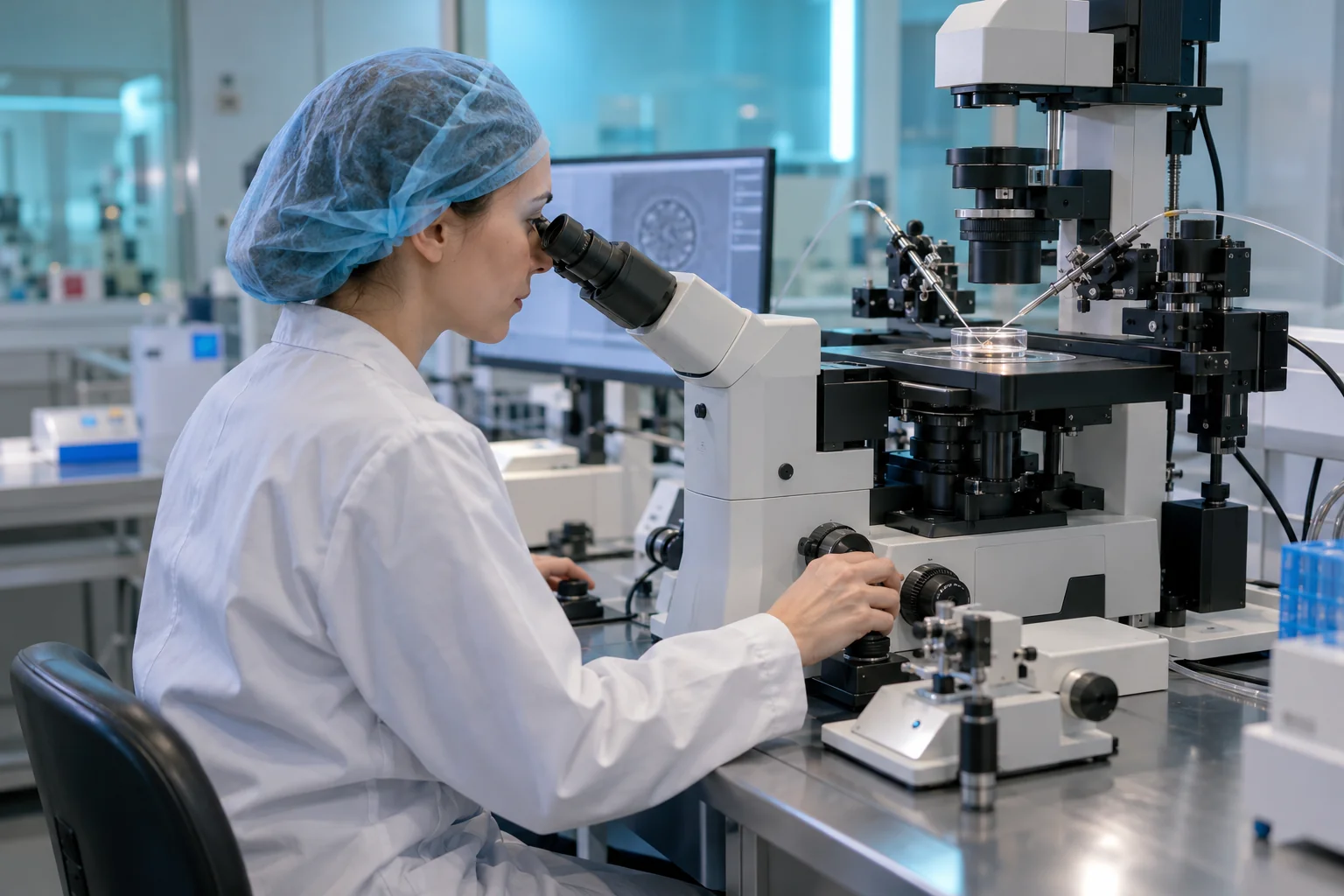
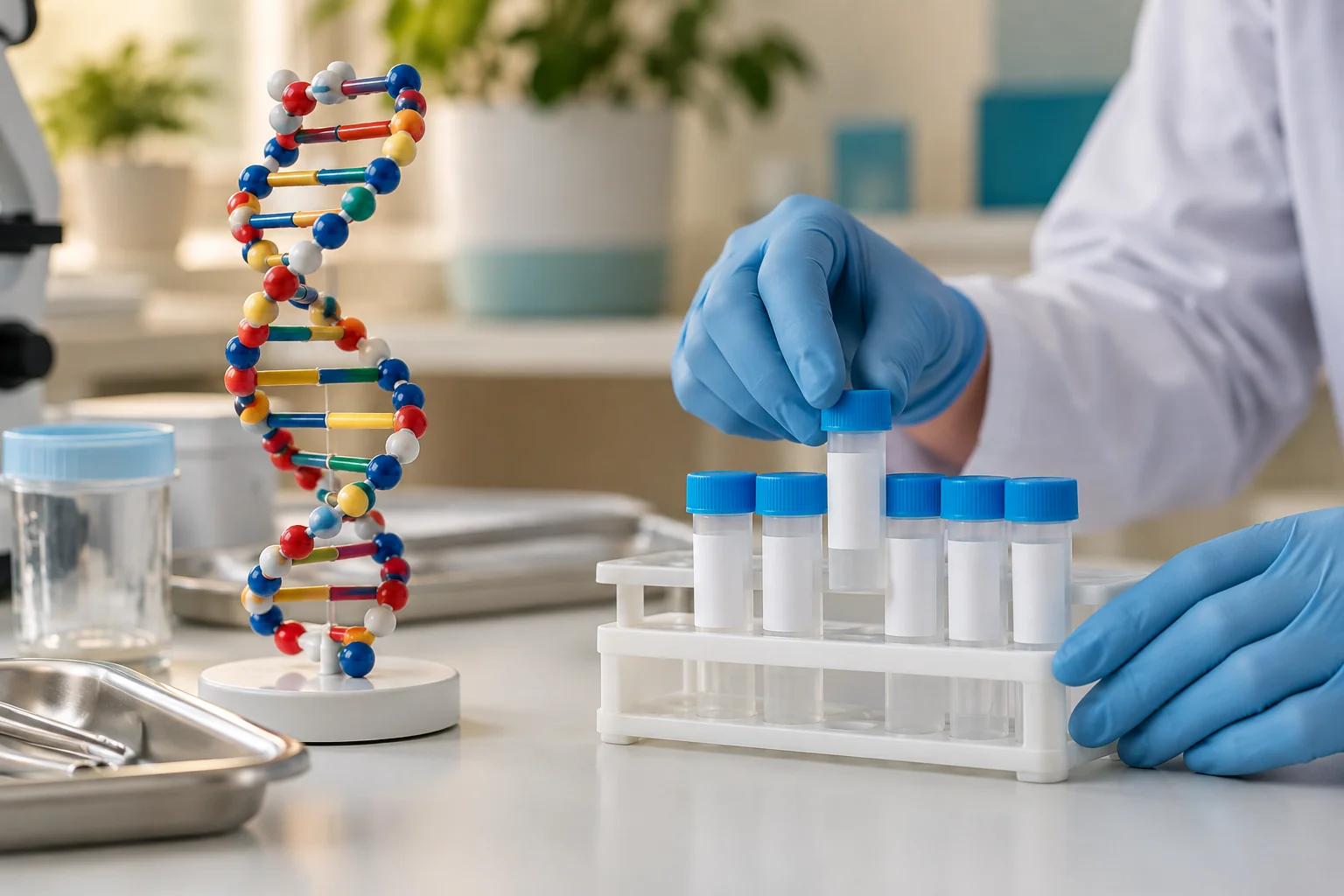
The sample needs appropriate laboratory examination. An abnormal initial result should be followed by repeat analysis. Examining the pellet after centrifugation helps avoid overlooking very small numbers of sperm. Tell the laboratory about collection conditions and any medication you take.
Two broad groups of causes
In obstructive azoospermia, sperm may be produced but cannot reach the semen. In non-obstructive azoospermia, production is impaired. Previous illness, surgery, undescended testes and certain genetic conditions may provide important clues.
Which investigations might be needed?
A urology/andrology examination, hormonal assessment and, where indicated, genetic tests or imaging are considered together. Every patient does not need an identical package of tests. Ask what question each proposed investigation is intended to answer.
Preparing for the appointment
Organise earlier reports by date. Discuss prescription medicines, testosterone or anabolic products, previous cancer treatments and operations. Assessing the female partner during the same period helps the team develop a realistic plan for the couple.
Frequently asked questions
Does normal-looking semen rule out azoospermia?
No. Appearance and volume do not reliably establish whether sperm are present. Laboratory testing is needed.
Is azoospermia always genetic?
No. Obstruction, impaired production and hormonal conditions are among the possible causes. The need for genetic investigation depends on individual findings.
Sources
Updated: