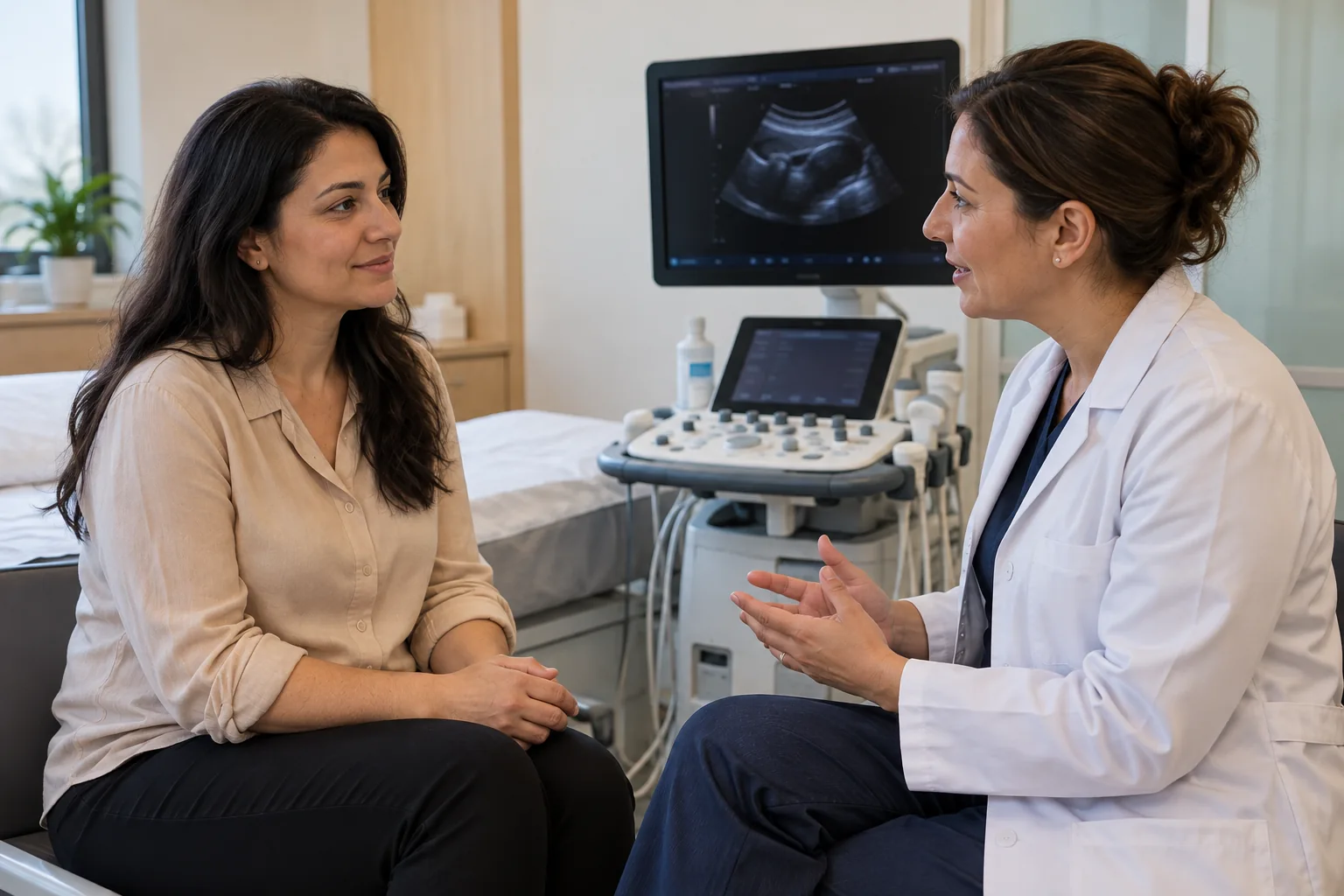
A new scientific report can offer hope when you dream of having a child. This guide helps you understand which findings may inform treatment today and which remain research for the future.
Explore egg maturation, embryo selection, transfer preparation, laboratory automation and experimental egg development. You do not need to read the articles in order. Start with the treatment stage you are curious about, then consider the question that each approach is trying to answer.
What does new actually mean?
A technique may work in a laboratory, be tested in a small patient group or undergo a large comparative trial. These stages establish different things. Each article identifies its evidence stage and links to original sources. Research or use in another country does not establish availability in Türkiye or suitability for you.
Which outcome is being measured?
Mature eggs, embryos, clinical pregnancy and healthy live birth are different outcomes. Ask who and what was counted before interpreting a percentage. Less medication or safer pregnancy can also be worthwhile improvements even when a higher birth rate has not been shown.
Connecting research with your own situation
Note previous medications, egg-collection and embryo reports, transfer dates and outcomes. Ask which findings would support a new approach, whether it would change your next decision and what alternatives exist. A future technology headline alone is not a reason to postpone your current assessment.
Frequently asked questions
Are all these approaches available today?
No. Clinical findings about transfer preparation and experimental egg-development research are at different stages, explained in each article.
Does newer mean more successful?
Not automatically. The patient group, measured outcome and strength of the comparison all matter.
Where should I start?
Consider IVM for medication burden, AI for embryo assessment or the natural-cycle article for frozen-transfer planning.
What might these developments mean for your treatment plan?
Your previous results and personal priorities help put new research into context. Request an initial consultation with Prof. Dr. Mehmet Çolakoğlu to discuss your current options on your journey towards parenthood.
Konya · Private practice | Ankara · A Life Hospital – Etimesgut
Describing a research approach does not mean it is offered at the practice or hospital. Options appropriate to you are discussed during an individual assessment.
The first step towards your dream of a child
Consultation and Contact Form
Use this form to request an appointment, arrange an initial consultation or ask a general question. Prof. Dr. Mehmet Çolakoğlu’s team will contact you.