Stage of evidence
Laboratory proof of concept · Not a clinical treatment
Mehmet Çolakoğlu website · Information article ·
What the experiment involved
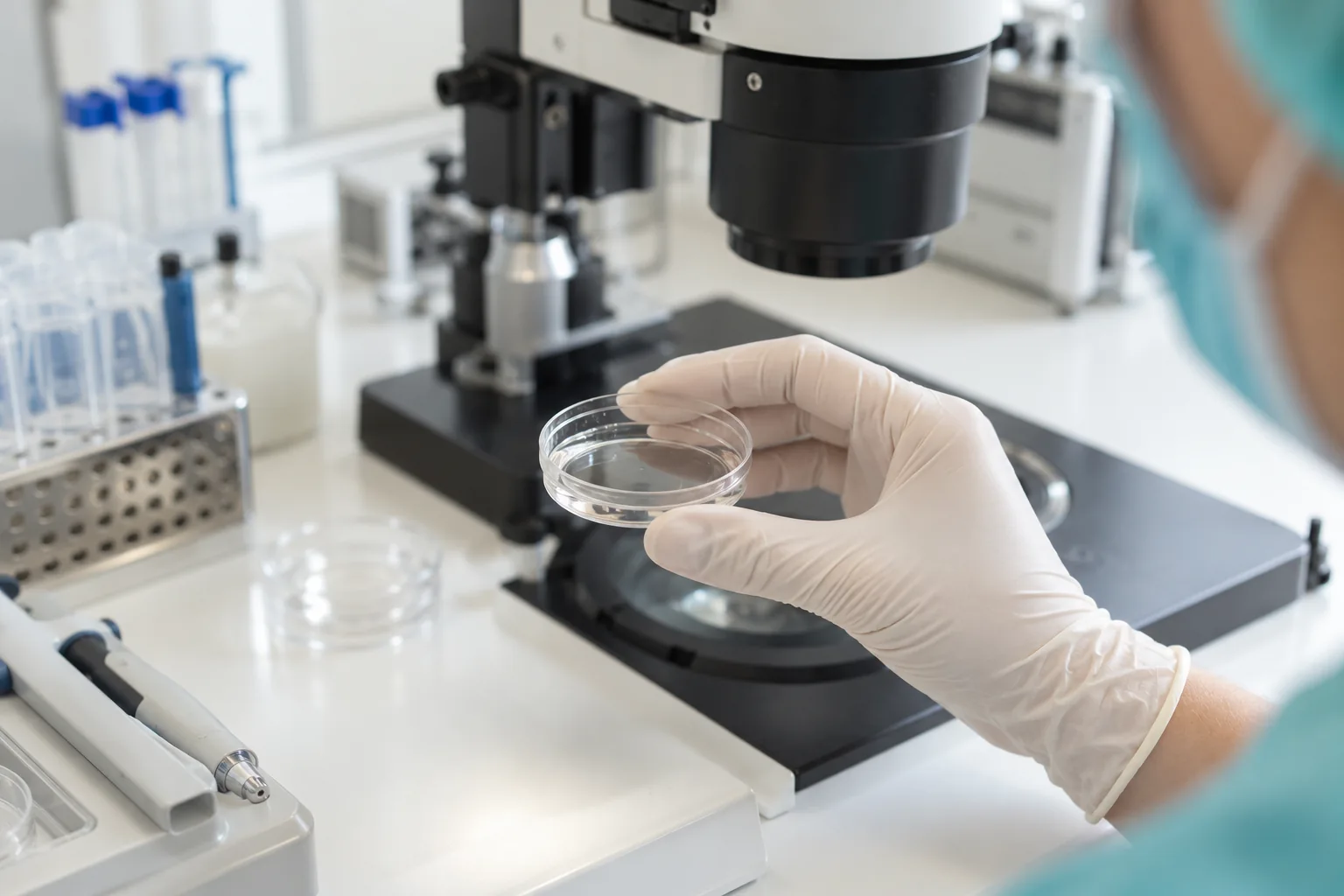
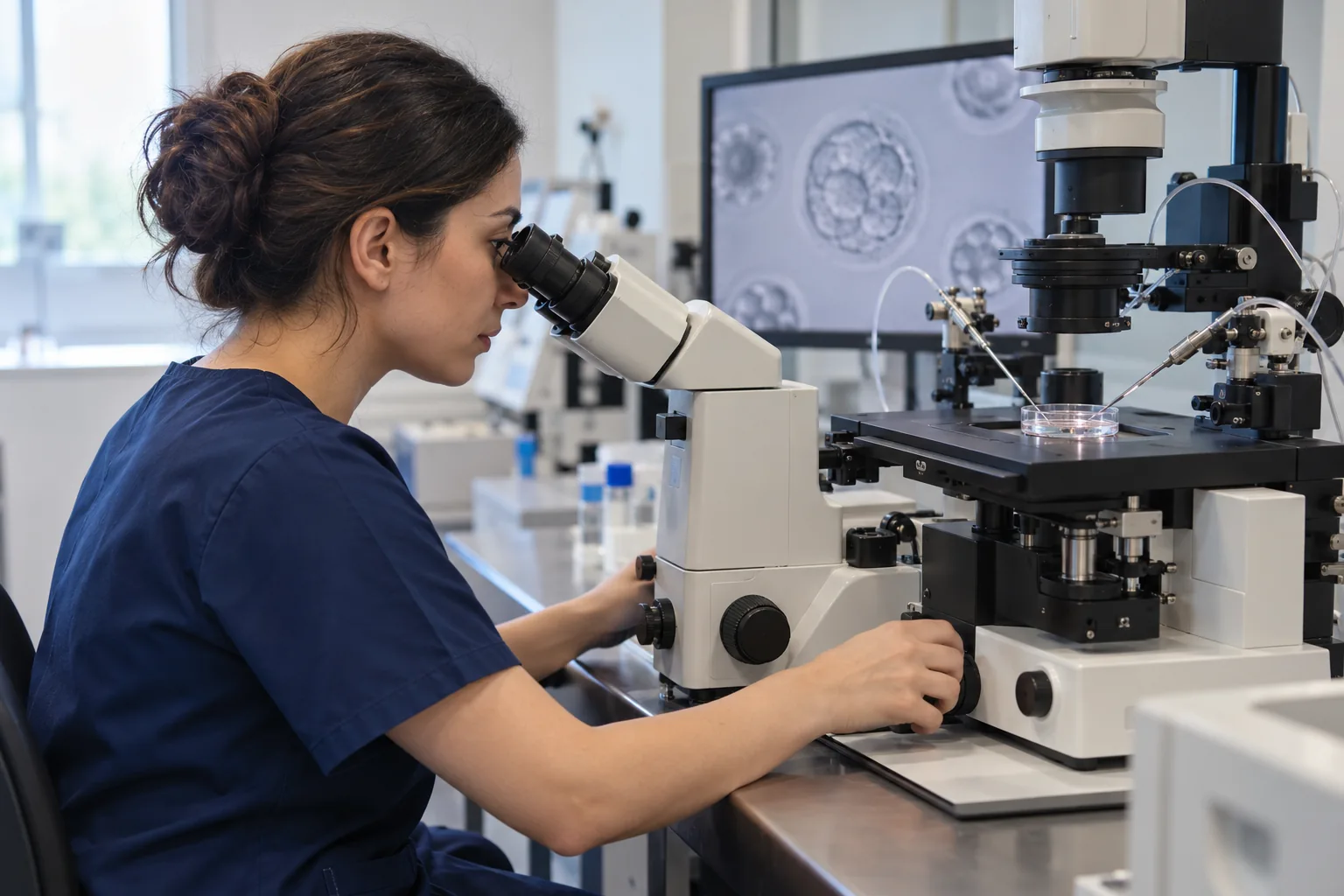
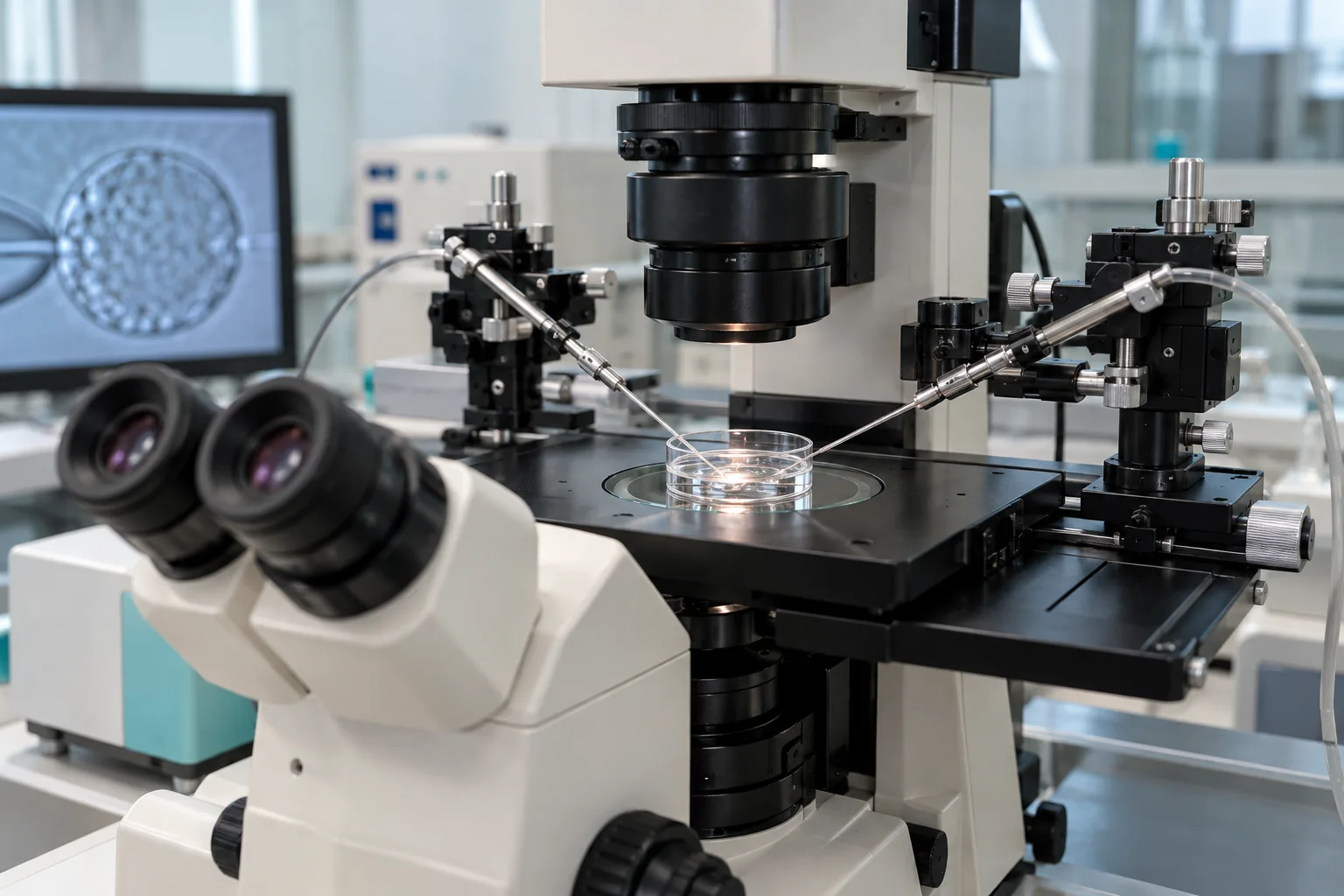
In 2025 a skin-cell nucleus was transferred into a donor egg whose nucleus had been removed. An experimental division process called mitomeiosis aimed to reduce chromosome number. This is not the production of a usable egg from a skin cell alone. [1]
What was achieved?
Some structures reached early embryo stages, but development was often limited and chromosome problems occurred. No pregnancy was established. Researchers expect at least a decade of further work before clinical trials; this is not a promised availability date. [2]
Why chromosomes matter
A cell's ability to divide does not itself demonstrate an ability to establish a safe pregnancy. Correct chromosome separation, genetic integrity and healthy development are separate assessment questions. Early embryo development must not be presented as successful live birth.
Is this the same as Fertilo?
No. Fertilo focuses on support cells helping existing eggs mature. This research addresses obtaining reproductive cells. Appearing in the same discussion does not make the approaches identical or equally close to clinical use.
What to do today
Continue assessment based on current reserve, age, past treatment and personal goals while following research. Do not assume an uncertain future technology will soon become accessible. Ask which options exist now and what timing means in your own situation.
Frequently asked questions
Can a skin cell be used to establish pregnancy today?
This study does not provide such a clinical treatment; safe pregnancy and birth were not demonstrated.
Does it increase ovarian reserve?
No. This is experimental cell and embryo research, not a demonstrated way to increase existing ovarian reserve.
When will it become available?
There is no definite date. Technical, safety, regulatory and ethical questions remain before clinical use.
Scientific sources
Published and updated: